

— Relief that saves the tooth
Removing infection from inside a tooth, so your natural tooth can stay.
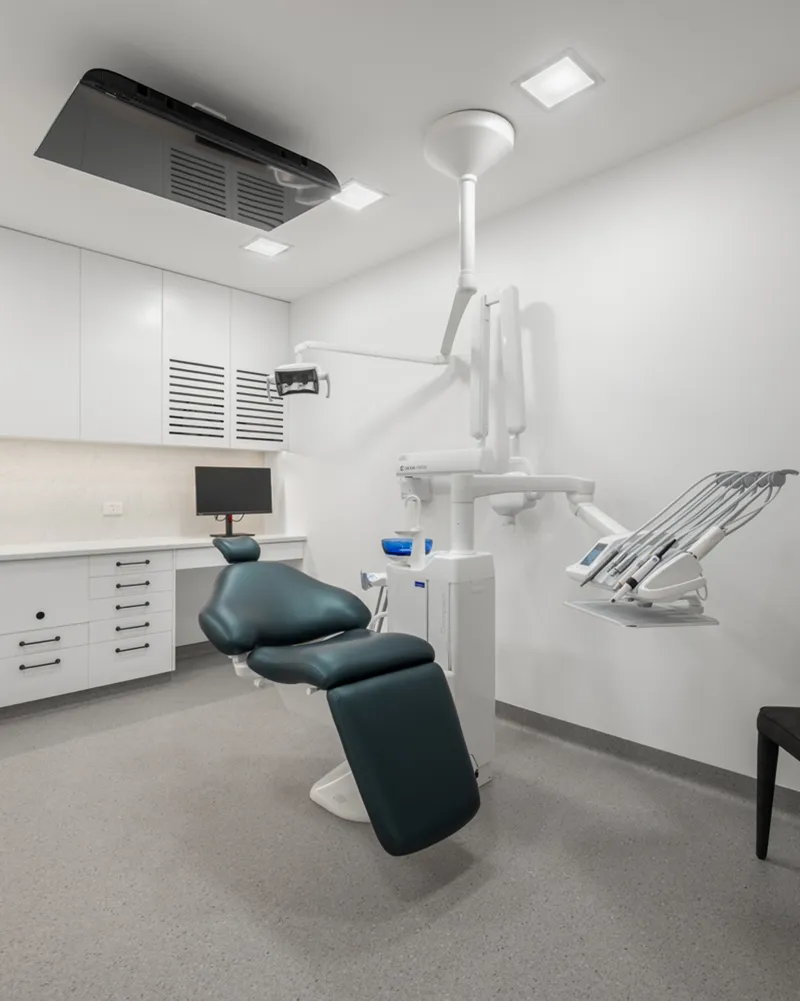
The Kurmond Dentist provides gentle, unhurried root canal treatment for families across Kurmond and the wider Hawkesbury. Root canal treatment removes infected or damaged tissue from inside a tooth, eases the pain that comes with it, and saves your natural tooth from being lost.
As a general dental practice on Bells Line of Road, we carry out root canal treatment here in our Kurmond surgery, so you can be looked after by a familiar local team without a long drive into the city.
— Signs you may need root canal treatment
A tooth lets you know when the tissue inside it is in trouble.
Pain like this usually means the pulp inside the tooth has become inflamed or infected. Left alone, it rarely settles on its own and can spread to the bone or form an abscess. Acting early gives the best chance of a comfortable visit and a tooth that’s saved.

— What is root canal treatment?
A routine, well-established treatment, done in-house.
Inside every tooth is a small chamber of soft tissue called the pulp, nerves and blood vessels that nourish the tooth as it develops. When decay, a crack or an injury lets bacteria reach the pulp, it can become infected and painful.
Root canal treatment (endodontics) carefully removes that infected pulp, cleans and disinfects the narrow canals inside the tooth’s roots, and seals them, so the tooth can stay in place and keep doing its job.
General dentists are trained to perform root canal treatment, and at The Kurmond Dentist we carry it out in-house as part of our everyday care.
Before we begin — assessment & X-ray
Your first visit is an unhurried assessment. We talk through your symptoms, examine the tooth and take an X-ray to see below the surface, then explain clearly whether root canal treatment is right for you and roughly how many visits to expect, usually one to three.
During — gentle, careful, unhurried
We numb the area thoroughly, place a soft protective sheet (a “rubber dam”) to keep the tooth clean and dry, gently remove the infected pulp, and carefully clean and shape the canals. The tooth is sealed straight away, or dressed and sealed at a follow-up if the infection needs time to settle.
After — protecting your tooth with a crown
A tooth that’s had a root canal can become more brittle, so it often needs a crown or sturdy restoration to protect it and restore full strength for chewing. We’ll talk you through whether your tooth needs one, so there are no surprises.
