
— Relief that saves the tooth

Removing infection from inside a tooth, so your natural tooth can stay.
Root Canal Treatment

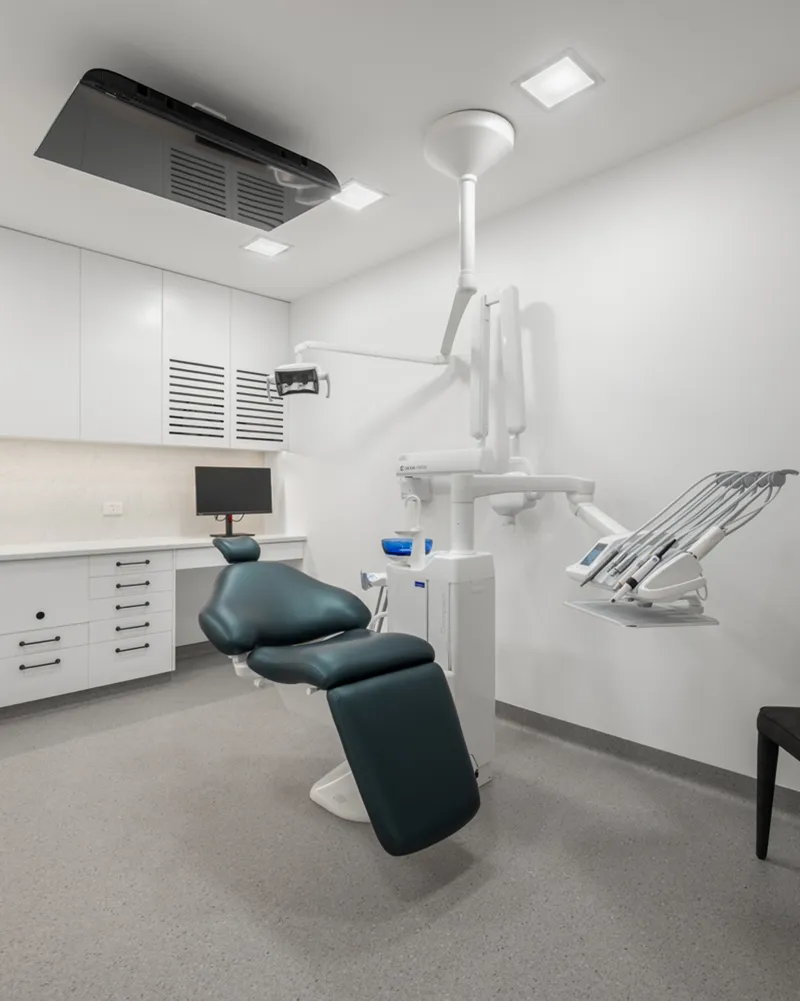
The Kurmond Dentist provides gentle, unhurried root canal treatment for families across Kurmond and the wider Hawkesbury. Root canal treatment removes infected or damaged tissue from inside a tooth, eases the pain that comes with it, and saves your natural tooth from being lost.

As an ADA-member general dental practice on Bells Line of Road, we carry out root canal treatment here in our Kurmond surgery, so you can be looked after by a familiar local team without a long drive into the city.

— Signs you may need root canal treatment

A tooth lets you know when the tissue inside it is in trouble.

  • A lingering toothache, or pain when you bite or chew
  • Sensitivity to hot or cold that lingers after the food or drink is gone
  • A cracked, chipped or deeply decayed tooth
  • Swelling, tenderness or a “pimple” on the gum near a sore tooth
  • A tooth that has darkened compared to those around it
  • Throbbing or nerve pain that wakes you at night

Pain like this usually means the pulp inside the tooth has become inflamed or infected. Left alone, it rarely settles on its own and can spread to the bone or form an abscess. Acting early gives the best chance of a comfortable visit and a tooth that’s saved.

Root Canal Pain

— What is root canal treatment?

A routine, well-established treatment, done in-house.

Inside every tooth is a small chamber of soft tissue called the pulp, nerves and blood vessels that nourish the tooth as it develops. When decay, a crack or an injury lets bacteria reach the pulp, it can become infected and painful.

Root canal treatment (endodontics) carefully removes that infected pulp, cleans and disinfects the narrow canals inside the tooth’s roots, and seals them, so the tooth can stay in place and keep doing its job.

General dentists are trained to perform root canal treatment, and at The Kurmond Dentist we carry it out in-house as part of our everyday care.

Why saving your natural tooth matters

Wherever it’s possible, keeping your own tooth is the better outcome:

  • Stronger and more efficient for biting and chewing than any replacement
  • Easier to clean and maintain than an artificial tooth
  • Keeps neighbouring teeth from drifting out of position into a gap
  • High success rate, a treated, restored tooth can last many years

— Your root canal, step by step

Knowing what to expect takes the nerves out of a visit.

Throughout, we work at your pace and check in with you. There’s never any rush.

01

Before we begin — assessment & X-ray

Your first visit is an unhurried assessment. We talk through your symptoms, examine the tooth and take an X-ray to see below the surface, then explain clearly whether root canal treatment is right for you and roughly how many visits to expect, usually one to three.

02

During — gentle, careful, unhurried

We numb the area thoroughly, place a soft protective sheet (a “rubber dam”) to keep the tooth clean and dry, gently remove the infected pulp, and carefully clean and shape the canals. The tooth is sealed straight away, or dressed and sealed at a follow-up if the infection needs time to settle.

03

After — protecting your tooth with a crown

A tooth that’s had a root canal can become more brittle, so it often needs a crown or sturdy restoration to protect it and restore full strength for chewing. We’ll talk you through whether your tooth needs one, so there are no surprises.

— Frequently Asked Questions

Root canals, answered.

Can’t find what you’re looking for? Give our friendly team a call, we’re happy to help with any questions you may have.

For most people, a root canal feels much like having an ordinary filling. The tooth and surrounding area are thoroughly numbed with local anaesthetic before treatment begins, so you shouldn’t feel pain during the procedure. In fact, root canal treatment relieves the pain caused by an infected tooth. Some tenderness for a day or two afterwards is normal and usually settles with over-the-counter pain relief. Read our blog post for full details on does a root canal hurt.

Most root canals are completed in one to three visits, with each appointment generally taking between 60 and 90 minutes. The number of visits depends on the tooth (back teeth have more canals than front teeth) and whether the infection needs time to settle before the tooth is sealed. We’ll give you a clear estimate at your assessment.
Often, yes, particularly for back teeth that do the heavy work of chewing. A root-treated tooth can become more brittle, and a crown protects it from cracking and helps it last. Not every tooth needs one, though; we’ll advise you based on the tooth’s position and how much of it remains.
With good care, a tooth that’s had root canal treatment and been properly restored can last many years, often for the rest of your life. Brushing twice a day, cleaning between your teeth, and keeping up regular check-ups at The Kurmond Dentist all help your treated tooth go the distance.
Not usually. General dentists are trained to perform root canal treatment, and we carry out the great majority of cases here at our Kurmond practice. Occasionally a tooth is unusually complex, and in those cases we’ll discuss referring you to a specialist endodontist, but for most people, your treatment can be completed comfortably with us, close to home.

— Book an Appointment

We’d be glad to welcome you to the practice.

Whether you’re booking your first visit or simply have a question, our team is here to help, give us a call or send us a message, and we’ll find a time that suits you and your family.