
— Why families choose us for bruxism care

Bruxism is rarely an emergency, so we look at the whole picture, not a quick fix.
Bruxism treatment

If you wake with a tight jaw, notice your teeth looking flatter than they used to, or a partner has heard you grinding at night, you’re in the right place. We treat bruxism with custom-fitted occlusal splints, muscle-relaxant therapy and gentle repair of worn teeth, and refer more complex jaw-joint cases on when that’s the right step.

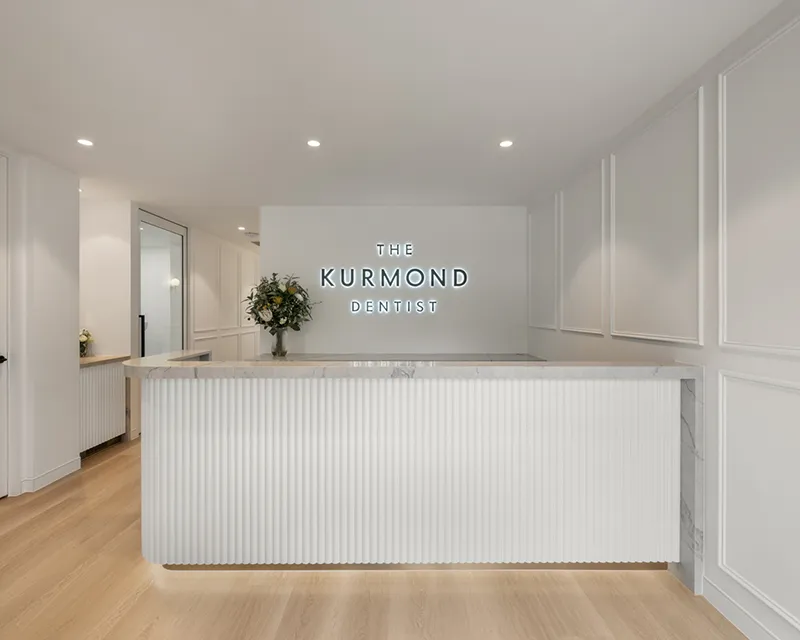
The Kurmond Dentist is an ADA member practice with roots that reach back to our original Pitt Town clinic, looking after families from Kurmond, North Richmond, Richmond, Windsor, Kurrajong and the surrounding Hawkesbury.

You’ll find us unhurried. We take the time to look at your teeth, your jaw, your sleep and your stress, and because we claim through HICAPS on the spot, the cost side stays clear from the start, with no surprises.

— What is bruxism?

The signs you grind or clench, often noticed by a dentist or a partner first.

Bruxism is the grinding of teeth or clenching of the jaw. It can happen while you’re awake, often without you realising, but most commonly during sleep, which is why so many people don’t know they do it. Spotting the signs early gives you the best chance of protecting your teeth before any lasting damage is done.

01

Teeth that look flat, chipped, worn or increasingly sensitive

02

A sore, tight or tired jaw, especially first thing in the morning

03

Headaches around the temples, or aching that spreads to the ears

04

A partner hearing a grinding noise during the night

05

Small notches appearing where your teeth meet the gum line

— Worth treating early

Treating bruxism early is far gentler and simpler, than rebuilding worn teeth.

On your teeth

Untreated grinding can flatten and crack teeth, wear away enamel, and cause the small notches near the gum line (abfraction) that make teeth sensitive to cold and more prone to decay.

On your jaw

Persistent clenching can tire and inflame the jaw muscles and the joint itself, leading to ongoing pain, clicking and headaches that reach beyond the teeth.

— How we treat bruxism

No single fix, we match the treatment to your situation.

We start with an assessment, then recommend one of these, or a combination, depending on what’s driving your grinding and the wear it’s already caused.

Custom occlusal splints

A slim, custom-made appliance that fits precisely over your teeth, usually worn at night. It won’t stop you grinding, but it absorbs the force so the splint wears down instead of your teeth and eases the load on your jaw muscles and joint. We make yours to fit you, not an off-the-shelf guard.

Muscle-relaxant therapy

For some people whose clenching is driven by overactive jaw muscles, a course of muscle-relaxant injections into the jaw muscles can reduce the strength of clenching and the discomfort that comes with it. It’s a prescription treatment, so suitability is assessed individually at your consultation.

Repairing worn teeth

Where grinding has already worn, chipped or cracked teeth, we can restore them so they look and function well again, from simple repairs through to crowns for more heavily damaged teeth. Protecting the teeth with a splint first means the restored work lasts longer.

Referral for complex cases

Most bruxism is well managed in general practice. For complex or persistent jaw-joint (TMJ) problems that need care beyond our scope, we’ll refer you to an appropriate specialist or sleep physician and stay in the loop, so you always know the next step.

— Frequently Asked Questions

Teeth grinding, answered.

Can’t find what you’re looking for? Give our friendly team a call, we’re happy to help with any questions you may have.

Bruxism is the involuntary grinding of teeth or clenching of the jaw, usually during sleep. It’s very common, often goes unnoticed by the person doing it, and over time can wear and damage teeth and strain the jaw.
The usual clues are waking with a sore or tight jaw, headaches around the temples, teeth that look flat or feel newly sensitive, or a partner hearing grinding at night. A dental check can confirm it by spotting characteristic wear on your teeth.
You can’t always switch grinding off, because it’s involuntary, but you can protect your teeth and reduce its effects. A custom occlusal splint worn at night is the most reliable option, alongside managing stress, improving sleep, and cutting back on alcohol and caffeine in the evening. A dental assessment will identify the best mix for you.
Yes, an occlusal splint, night guard, bite splint and dental splint all describe the same kind of appliance: a custom-made guard worn over the teeth (usually at night) to absorb grinding forces and protect your teeth and jaw.
For some people, muscle-relaxant injections into the jaw muscles can reduce the strength of clenching. It’s a prescription treatment that isn’t suitable for everyone, so we assess it case by case at your consultation and explain what’s involved before you decide anything.
With good care, a hard occlusal splint can last several years. Because its whole job is to wear down instead of your teeth, it will chip and thin over time and eventually need replacing, we keep an eye on it at your regular visits.

— Book an Appointment

We’d be glad to welcome you to the practice.

Whether you’re booking your first visit or simply have a question, our team is here to help, give us a call or send us a message, and we’ll find a time that suits you and your family.